
Why Cladding at KL Is Becoming Essential in Modern Architecture
In Malaysia’s fast-growing capital, Cladding at KL has become a defining feature of modern, sustainable buildings.
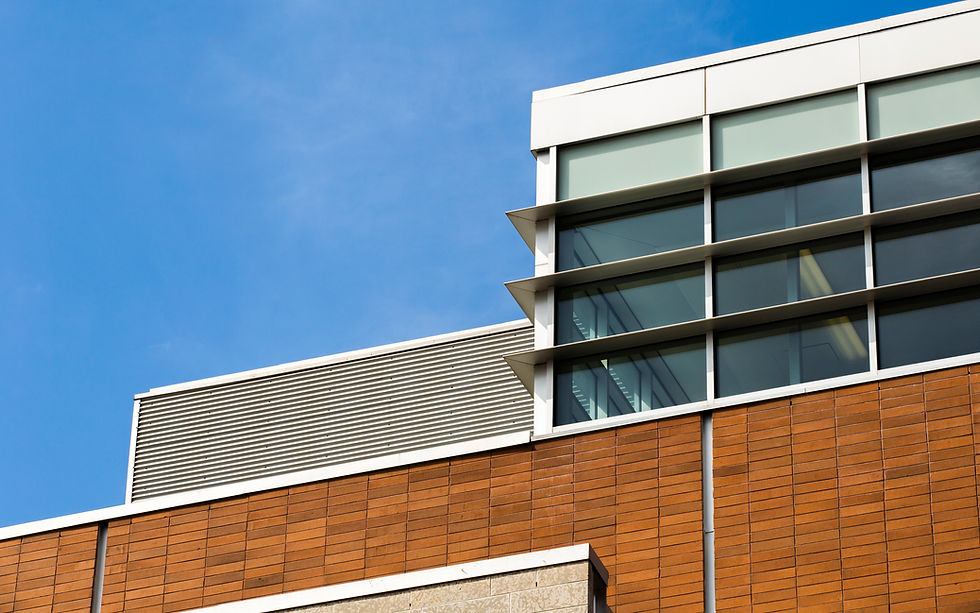
Why Cladding at KL Is Becoming Essential in Modern Architecture
Kuala Lumpur’s skyline has transformed dramatically over the last two decades. From glass towers in the city centre to mixed-use developments across the Klang Valley, architectural trends in Malaysia are evolving at a faster pace than ever before. Among these changes, Cladding at KL has emerged as a defining element in both residential and commercial construction.
Cladding is no longer treated as a purely decorative feature. In Kuala Lumpur, it has become a practical response to climate, urban density, sustainability goals, and long-term building performance. As developers, architects, and homeowners seek materials that balance durability, aesthetics, and energy efficiency, cladding solutions are increasingly becoming the preferred choice.
This article explores why Cladding at KL is now a standard architectural approach, how it aligns with Malaysia’s environmental and urban needs, and why its adoption continues to accelerate across the capital.
Understanding Cladding at KL in the Malaysian Context
Cladding refers to the application of an external layer over a building’s structural frame. In Kuala Lumpur, cladding systems typically include aluminium composite panels, fibre cement boards, high-pressure laminates, stone veneers, glass curtain walls, and engineered timber finishes.
Unlike traditional plastered or painted façades, cladding provides an added layer of protection while allowing designers greater freedom in form and appearance. In a dense and tropical city like Kuala Lumpur, this added layer plays a crucial role in shielding buildings from heat, rain, and pollution.
The rise of Cladding at KL is closely linked to how buildings are expected to perform in Malaysia’s climate rather than how they merely look.
Why Cladding at KL Fits Tropical Climate Requirements
Heat Management and Thermal Comfort
Malaysia’s year-round high temperatures place immense stress on building envelopes. Traditional concrete walls absorb heat during the day and release it slowly at night, causing interiors to remain warm even after sunset.
Cladding systems create an air gap between the exterior layer and the main structure. This cavity acts as thermal insulation, reducing direct heat transfer into indoor spaces. In Kuala Lumpur, where air-conditioning usage is high, this thermal buffer significantly lowers cooling demand.
As a result, Cladding at KL is widely adopted in offices, condominiums, and shopping complexes to improve indoor comfort while managing energy consumption.
Protection Against Heavy Rainfall
Kuala Lumpur experiences frequent and intense rainfall, especially during monsoon seasons. Over time, exposed concrete façades develop cracks, water stains, and surface deterioration.
Cladding materials function as a rain screen, preventing direct water penetration. Moisture is deflected away from the structural wall, reducing long-term damage and maintenance costs. This practical advantage is one of the key reasons Cladding at KL is preferred in high-rise developments.

Aesthetic Evolution of Kuala Lumpur’s Architecture
Modern Identity in a Global City
As Kuala Lumpur positions itself as a regional business and lifestyle hub, visual identity matters. Buildings are no longer designed only for function but also to reflect innovation and international standards.
Cladding allows architects to experiment with textures, colours, and geometric forms without altering the core structure. This flexibility has transformed KL’s skyline into a visually dynamic environment, where buildings stand out while still meeting regulatory and performance standards.
The consistent use of Cladding at KL has contributed to a more refined, contemporary urban image.
Customization Without Structural Compromise
One of the greatest advantages of cladding is that it enables design updates without major structural changes. This is especially important in renovation projects, where older buildings are upgraded to meet modern expectations.
Instead of demolishing and rebuilding, developers in Kuala Lumpur increasingly opt for recladding façades. This approach reduces waste, saves time, and aligns with sustainable construction goals, further reinforcing the appeal of Cladding at KL.
Sustainability and Environmental Responsibility
Energy Efficiency and Reduced Carbon Footprint
Sustainability is no longer optional in Malaysia’s construction industry. Energy-efficient buildings are encouraged through green certification frameworks and government incentives.
Cladding systems improve thermal performance, which directly reduces energy usage for cooling. Over the building’s lifespan, this translates into lower carbon emissions and operational costs.
For developers aiming to meet environmental benchmarks, Cladding at KL offers a practical and measurable solution.
Durable Materials and Long-Term Use
Many cladding materials used in Kuala Lumpur are designed for longevity. Fibre cement, aluminium panels, and engineered stone resist UV exposure, corrosion, and moisture-related damage.
Unlike paint-based finishes that require frequent recoating, cladding maintains its appearance for decades with minimal intervention. This durability reduces material waste and resource consumption over time, reinforcing the sustainable value of Cladding at KL.
Economic and Maintenance Advantages
Lower Lifecycle Costs
While cladding systems may have higher upfront costs compared to conventional finishes, they offer substantial savings over the building’s lifecycle. Reduced maintenance, fewer repairs, and improved energy efficiency result in lower long-term expenses.
In Kuala Lumpur’s competitive property market, developers increasingly view Cladding at KL as an investment rather than a cost.
Enhanced Property Value
Buildings with modern cladding façades often command higher rental and resale values. Buyers and tenants associate cladding with quality, durability, and contemporary design.
As a result, cladding is now seen as a strategic feature that enhances market appeal, particularly in premium residential and commercial projects across KL.
Safety and Compliance Considerations
Fire Performance and Material Standards
Fire safety has become a critical concern following global incidents related to façade materials. In Malaysia, cladding systems must comply with local building codes and fire performance requirements.
Reputable cladding installations in Kuala Lumpur prioritize tested materials and proper detailing to ensure compliance. This professional approach further supports the growing trust in Cladding at KL as a safe and responsible architectural solution.
Structural Load Management
Modern cladding systems are engineered to be lightweight while maintaining strength. This reduces additional load on existing structures, making them suitable for both new constructions and retrofitting projects.
In a city with many aging buildings, this adaptability makes Cladding at KL particularly valuable.

Urban Density and Space Efficiency
Kuala Lumpur’s rapid urbanization has resulted in limited land availability. Buildings are getting taller and more compact, increasing the need for efficient envelope systems.
Cladding provides enhanced performance without significantly increasing wall thickness. This allows developers to maximize usable interior space while still meeting insulation and protection requirements.
In high-density developments, Cladding at KL supports both spatial efficiency and design flexibility.
Future Outlook of Cladding at KL
The demand for cladding in Kuala Lumpur shows no sign of slowing down. As technology advances, newer materials offer improved insulation, self-cleaning surfaces, and enhanced sustainability features.
Smart façades and integrated cladding systems are expected to become more common, further elevating the role of Cladding at KL in shaping the city’s architectural future.
With continued urban growth, environmental awareness, and design innovation, cladding will remain a core element of Kuala Lumpur’s built environment.
Frequently Asked Questions (FAQ) About Cladding at KL
What is cladding and why is cladding at KL becoming so popular?
Cladding is an external layer applied to a building’s façade to improve protection, insulation, and appearance. Cladding at KL has become increasingly popular because Kuala Lumpur’s tropical climate demands better heat control, moisture resistance, and long-term durability. Compared to traditional painted finishes, cladding offers stronger weather protection and a more modern architectural look.
Is cladding at KL suitable for residential buildings?
Yes, Cladding at KL is widely used in residential projects such as condominiums, landed houses, and high-rise apartments. It helps reduce heat transfer, improves indoor comfort, and enhances property value. Many homeowners also choose cladding during renovation to refresh older façades without major structural changes.
What types of cladding are commonly used in Kuala Lumpur?
Common materials for Cladding at KL include aluminium composite panels, fibre cement boards, stone cladding, glass curtain walls, and engineered timber finishes. Each material is selected based on design intent, budget, fire performance requirements, and exposure to weather conditions.
Does cladding at KL help reduce maintenance costs?
Yes. One major advantage of Cladding at KL is reduced long-term maintenance. Unlike painted walls that fade or crack over time, cladding materials are designed to resist UV exposure, rain, and pollution. This results in fewer repairs and lower lifecycle costs for building owners.
Is cladding at KL safe in terms of fire regulations?
When properly specified and installed, Cladding at KL is safe and compliant with Malaysian building and fire safety regulations. Professional contractors use tested materials and follow approved installation systems to ensure fire performance standards are met, especially for high-rise and commercial buildings.

Where to Get Trusted Contractor in Malaysia for Cladding at KL
We provide expert oversight and installation for high-quality home renovation works, including toilets, kitchens, living areas, and full-house upgrades. Our services are suitable for both Residential Renovation in Malaysia and commercial projects, ensuring long-term performance without compromising design.
Whether your project involves façade upgrades, external enhancements, or Cladding at KL solutions tailored to Malaysia’s climate, each installation is carefully managed to achieve the best balance of function, safety, and aesthetics. Our coverage spans the entire country, including Kuala Lumpur, Selangor, Klang Valley, Johor Bahru, Penang, Malacca (Melaka), Seremban, Negeri Sembilan, Perak, Pahang, Kuantan, Kelantan, Terengganu, Perlis, Alor Setar Kedah, and East Malaysia’s Sabah and Sarawak.
We also serve regional clients across Southeast Asia (SEA), including Singapore, Thailand, Indonesia, Vietnam, Cambodia, the Philippines, Brunei, Myanmar, and beyond. From residential façade improvements to commercial buildings, hotels, resorts, and public infrastructure, our team integrates modern finishes and proven construction practices to deliver reliable results that meet the highest standards for Residential Renovation in Malaysia and professional Cladding at KL solutions.
For enquiries, email us at info@aathaworld.com or call/WhatsApp +(60)11-7001 1003 (Mon–Fri) or +(60)11-7003 1003 (Sat, Sun & Public Holidays) to find the best construction management solutions in Malaysia.


