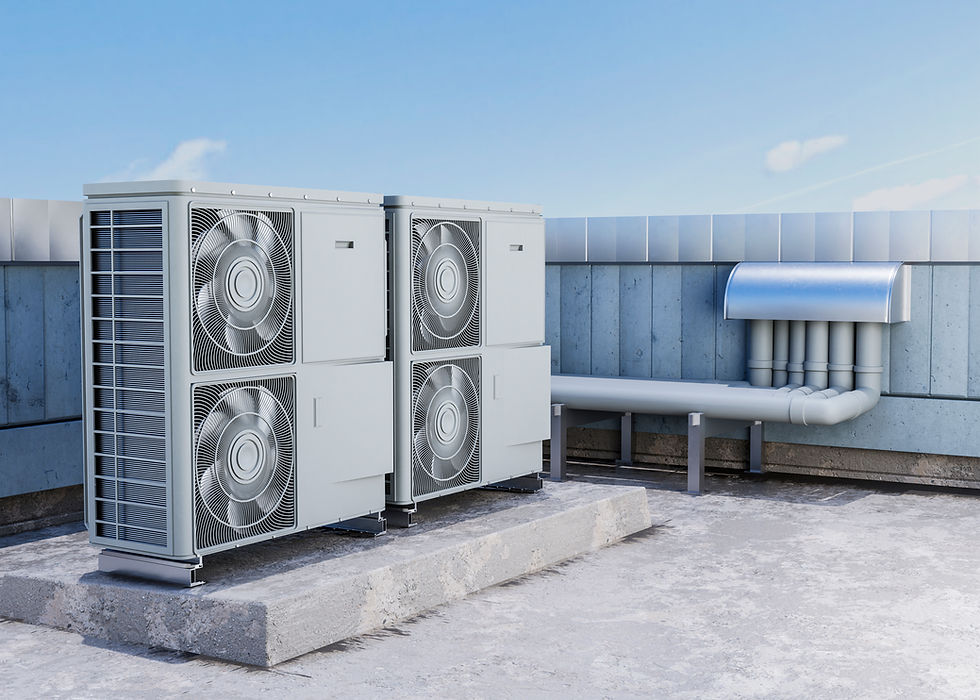
Why HVAC Maintenance Is Essential for Energy Efficiency
Discover why regular HVAC maintenance in Malaysia boosts energy efficiency, cuts costs, and keeps your system running at its best year-round.

Malaysia's climate is one of the most demanding in Southeast Asia. With temperatures hovering between 28°C and 35°C throughout the year, and humidity levels that rarely dip below 70%, air conditioning is not a luxury — it is a fundamental part of daily life, both at home and in commercial spaces. That constant, year-round usage places an enormous strain on HVAC systems, and yet, many building owners and facility managers only think about their systems when something goes wrong.
This reactive approach is one of the most common and costly mistakes in building management. Skipping regular HVAC maintenance Malaysia professionals recommend does not just shorten the lifespan of your equipment — it quietly drains your energy budget every single month. Understanding the direct connection between proper maintenance and HVAC energy efficiency is the first step toward smarter, more cost-effective building management.
What Is an HVAC System and Why Does It Matter in Malaysia?
HVAC stands for Heating, Ventilation, and Air Conditioning. In Malaysia's tropical context, the "heating" component is largely irrelevant, but the ventilation and air conditioning elements are absolutely critical. An HVAC system regulates indoor temperature, controls humidity, filters airborne pollutants, and ensures that fresh air circulates throughout a building.
In a country where people spend the majority of their time indoors — at home, in offices, shopping malls, hotels, schools, and healthcare facilities — the quality and efficiency of an HVAC system has a direct impact on comfort, productivity, health, and operational costs. A poorly maintained system does not just perform worse; it consumes significantly more electricity to achieve the same result, driving up utility bills while delivering a substandard experience.
This is precisely why air conditioning maintenance Malaysia building owners invest in is not simply a technical obligation — it is a financial strategy.

The Direct Link Between HVAC Maintenance and Energy Efficiency
How Neglect Leads to Energy Waste
When an HVAC system is not maintained regularly, several mechanical and chemical processes begin to degrade its efficiency. Dust and debris accumulate on evaporator and condenser coils, acting as an insulating layer that forces the system to work harder to achieve heat exchange. Clogged air filters restrict airflow, causing the blower motor to strain against resistance it was never designed to handle. Refrigerant levels drop due to micro-leaks, reducing the system's cooling capacity and causing the compressor — the most energy-intensive component — to run longer cycles just to hit the target temperature.
Each of these issues compounds the others. A system fighting through dirty coils, restricted airflow, and low refrigerant simultaneously can consume up to 25–40% more electricity than a well-maintained equivalent. In a commercial building running 24/7, that difference is not a rounding error — it represents hundreds or even thousands of ringgit in avoidable monthly costs.
The Efficiency Gains from Scheduled Servicing
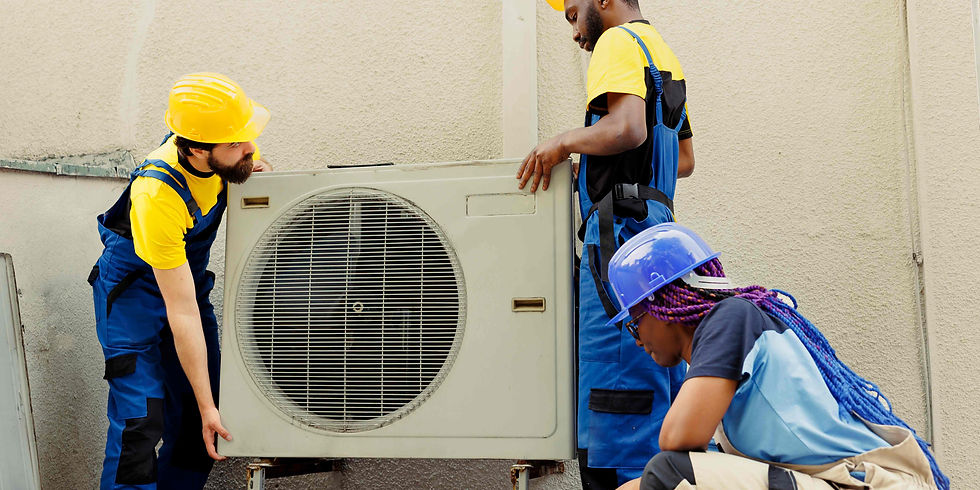
Regular HVAC maintenance Malaysia technicians carry out includes cleaning or replacing air filters, washing down evaporator and condenser coils, checking and topping up refrigerant, inspecting electrical connections, lubricating moving parts, and verifying thermostat calibration. Each of these steps directly restores a portion of the system's original efficiency rating.
A properly maintained system operates at or near its Energy Efficiency Ratio (EER) or Coefficient of Performance (COP) as specified by the manufacturer. When maintenance is deferred, that rating deteriorates steadily. Restoring it through routine servicing is significantly cheaper than the cumulative electricity cost of running a degraded system — and far less expensive than emergency repairs or early system replacement.
Key HVAC Maintenance Tasks That Impact Energy Efficiency
Air Filter Cleaning and Replacement
Air filters are the frontline defence against dust, pollen, bacteria, and other airborne particles entering the system. In Malaysia, where construction activity, outdoor dust, and biological particulates are ever-present, filters clog faster than in temperate climates. A clogged filter does not just affect air quality — it reduces airflow, forcing the system to draw more power to circulate the same volume of air.
For most residential systems, filters should be cleaned or replaced every one to three months. Commercial systems with higher occupancy or industrial environments may require attention every two to four weeks. This is one of the simplest, lowest-cost maintenance tasks, yet it has one of the most immediate and measurable impacts on HVAC energy efficiency.
Coil Cleaning
Evaporator coils absorb heat from indoor air, and condenser coils release that heat outdoors. Both surfaces need to be clean to transfer heat effectively. In Malaysia's humid environment, evaporator coils are particularly vulnerable to mould and biofilm growth, which is both a health hazard and an efficiency killer. Condenser coils installed outdoors accumulate dust, leaves, and grime rapidly.
Professional coil cleaning, typically carried out during a scheduled service, removes this buildup and restores the system's heat exchange capacity. Even a thin layer of grime — just 0.04 inches — on a coil surface can reduce efficiency by up to 30%. For high-usage systems in Malaysian commercial properties, coil cleaning is recommended at least twice a year.
Refrigerant Level Checks
Refrigerant is the working fluid that enables an HVAC system to absorb and transfer heat. If refrigerant levels fall below the manufacturer's specification — which happens gradually through micro-leaks in fittings and connections — the system's cooling capacity drops while energy consumption increases. A compressor running on low refrigerant is also under significant mechanical stress, which accelerates wear and leads to premature failure.
Checking refrigerant levels requires licensed technicians with specialised equipment. During air conditioning maintenance Malaysia service appointments, a trained technician will check for leaks, repair them where found, and recharge the system to the correct level, restoring full cooling capacity and optimal HVAC energy efficiency.
Electrical Component Inspection
Loose or corroded electrical connections create resistance in the circuit, which generates heat and reduces the electrical efficiency of the system. Capacitors that are beginning to fail cause motors to draw more current than necessary. Contactors that are worn or pitted can cause voltage drops that shorten the lifespan of compressors and fans.
Routine electrical inspection during HVAC maintenance catches these issues before they cascade into system failures. Tightening connections, replacing failing capacitors, and testing contactors are relatively low-cost interventions that preserve both energy efficiency and system longevity.
Ductwork Inspection and Sealing
In central air conditioning systems, ductwork is the network of channels that distributes conditioned air throughout a building. Leaks in the ductwork — which are extremely common in older buildings — allow conditioned air to escape into wall cavities, ceiling voids, or unconditioned spaces before it reaches the intended rooms. Studies suggest that ductwork leakage can account for 20–30% of total HVAC energy loss in commercial buildings.
A comprehensive HVAC maintenance Malaysia programme includes periodic inspection of accessible ductwork for signs of separation, corrosion, or pest damage, followed by sealing with appropriate mastic compounds or metal tape. This alone can produce significant, measurable reductions in monthly electricity bills.
Financial Impact: What Poor HVAC Maintenance Costs Malaysian Businesses
Higher Monthly Utility Bills
The most immediate financial consequence of deferred HVAC maintenance is elevated electricity consumption. TNB (Tenaga Nasional Berhad) tariffs for commercial users in Malaysia are structured with demand charges, meaning that a system drawing excessive power during peak hours can trigger penalty charges beyond just the units consumed. A poorly maintained HVAC system running longer and harder to compensate for degraded efficiency pushes buildings into higher tariff brackets unnecessarily.
For a mid-sized office building of 5,000 to 10,000 square feet, the difference between a maintained and unmaintained HVAC system can represent RM 500 to RM 2,000 or more in additional monthly electricity costs. Across a year, this easily dwarfs the cost of several professional service visits.
Shortened Equipment Lifespan
A well-maintained HVAC system in Malaysia can operate reliably for 10 to 15 years. A neglected one may require major component replacement — compressors, fan motors, control boards — within five to seven years, or fail entirely before that. Compressor replacement alone for a commercial chiller system can cost tens of thousands of ringgit, a cost entirely avoidable with consistent maintenance.
Business Disruption
HVAC failures in commercial settings do not just represent repair costs — they create operational disruptions that carry their own financial consequences. Retail spaces become uncomfortable and see reduced customer dwell time. Office productivity drops when indoor temperatures rise. Hotels receive complaints and negative reviews. Food storage facilities face spoilage risks. Scheduled preventive maintenance eliminates the vast majority of these unplanned failures.
HVAC Maintenance Frequency: What Malaysian Buildings Should Follow
The recommended maintenance frequency for HVAC systems in Malaysia is higher than in cooler climates because systems run more hours per year and operate under greater thermal and humidity stress.
For residential split units, professional servicing every three to four months is appropriate, supplemented by monthly filter cleaning by the occupant. For commercial systems — VRV/VRF, central chillers, AHUs, FCUs — quarterly servicing is the baseline, with monthly inspections and filter changes handled by in-house facilities staff or a contracted maintenance provider. For industrial or critical-use environments such as data centres, cleanrooms, or hospitals, monthly or even bi-weekly professional servicing may be warranted.
Investing in a structured preventive maintenance agreement with a qualified HVAC contractor in Malaysia is the most cost-effective approach for commercial and industrial building owners. It provides scheduled visits, documented service records, and often priority response for emergency callouts.

Choosing the Right HVAC Maintenance Provider in Malaysia
Not all HVAC servicing is equal. When evaluating air conditioning maintenance Malaysia contractors, building owners should look for several key qualifications. The technician or company should be registered and certified, ideally with credentials from CIDB (Construction Industry Development Board Malaysia) or relevant trade bodies. They should use calibrated instruments for refrigerant handling and electrical testing. They should provide documented service reports after each visit, detailing what was inspected, what was found, and what was corrected.
Transparency in reporting is critical. A service provider who simply cleans filters and leaves without checking refrigerant levels, electrical components, and drainage systems is not providing comprehensive HVAC maintenance — they are providing the appearance of maintenance. Demand detailed service checklists and hold contractors accountable to them.
Frequently Asked Questions (FAQ)
Q: How often should I service my air conditioning unit in Malaysia?
A: For home split units, a professional service every three to four months is recommended, with filter cleaning done monthly. Commercial systems should be serviced quarterly at minimum, with monthly checks for high-usage environments.
Q: Can regular HVAC maintenance really reduce my electricity bill?
A: Yes, significantly. A well-maintained HVAC system can consume 20–40% less electricity compared to a neglected one of the same capacity. Clean filters, charged refrigerant, and clean coils allow the system to reach target temperatures faster and cycle off sooner, directly reducing consumption.
Q: What are the warning signs that my HVAC system needs immediate attention?
A: Key warning signs include the unit taking longer than usual to cool a space, unusual noises such as rattling or grinding, ice forming on the evaporator unit, water leaking from indoor units, a noticeable increase in electricity bills without a change in usage patterns, or musty odours coming from the vents. Any of these signals should prompt an immediate service call.
Where to Get a Trusted HVAC and Building Maintenance Contractor in Malaysia
We provide expert oversight and installation for high-quality building services and renovation works, including HVAC systems, toilets, kitchens, living areas, and full-house or commercial upgrades. Our services cover HVAC Maintenance Malaysia for both residential and commercial projects, ensuring long-term energy performance without compromising design or comfort.
Whether you need HVAC Energy Efficiency audits and improvements for your home or office, professional Air Conditioning Maintenance Malaysia for large-scale commercial or industrial facilities, or comprehensive building upgrades that integrate smart energy management with modern finishes, each project is tailored to your specific needs — delivering the best combination of function, safety, and cost efficiency.
Our coverage spans the entire country, including Kuala Lumpur, Selangor, Klang Valley, Johor Bahru, Penang, Malacca (Melaka), Seremban, Negeri Sembilan, Perak, Pahang, Kuantan, Kelantan, Terengganu, Perlis, Alor Setar Kedah, and East Malaysia's Sabah and Sarawak. We also serve regional clients across Southeast Asia (SEA), including Singapore, Thailand, Indonesia, Vietnam, Cambodia, the Philippines, Brunei, Myanmar, and beyond.
From routine air conditioning servicing and energy efficiency retrofits to full HVAC system design for hotels, resorts, hospitals, or public infrastructure, our team integrates modern technology and best practices to deliver expert solutions that meet the highest standards for HVAC Maintenance Malaysia.
For enquiries, email us at info@aathaworld.com or call/WhatsApp +6011-7001 1003 (Mon–Fri) or +6011-1128 8588 (Sat, Sun & Public Holidays) to find the best construction and building maintenance solutions in Malaysia.